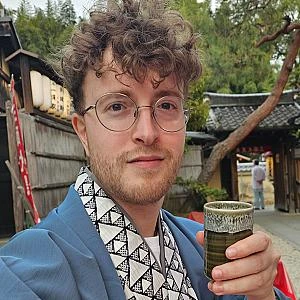
With the Pacific Coast to the east and the Ou Mountains to the west—taking the title for the longest mountain range in Japan—Miyagi Prefecture is home to many spaces to get away from it all, offering a slower, more relaxed pace of life compared to Japan's megacities, including historical sites, scenic landscapes, and unique cultural experiences.
Awaiting your visit up in northeastern Miyagi Prefecture is Ishinomaki, a large port city bordering Ishinomaki Bay and the Kitakami Mountains. This region takes you from gorgeous coastline views and exceptional seafood to the lush backdrops of the Sanriku Fukko National Park, stretching northwards towards Aomori Prefecture.
Many are aware of the impact of the 2011 earthquake and tsunami on Fukushima Prefecture as a result of the Daiichi Nuclear Power Plant accident, but what you may not know is that Ishinomaki suffered the highest number of casualties, with the tsunami flooding 73 square kilometers and destroying thousands of homes. Despite this significant tragedy, Ishinomaki’s fighting spirit has persevered in the decade since, making it once again a must-visit destination for high-quality seafood and sweeping vistas.
Let’s explore what Ishinomaki has to offer on your next trip to Japan.
Yamatoku Hiratsuka Suisan: Serving Ishinomaki’s bounties
Founded in 1931, Yamatoku Hiratsuka Suisan has been a cornerstone of Ishinomaki’s seafood industry for over 90 years. Rooted in the rich fishing grounds of the Sanriku-Kinkazan coasts—where nutrient-rich waters foster some of the world’s finest seafood—Yamatoku Hiratsuka Suisan continues to uphold its mission: to bring happiness to society through collaboration and craftsmanship.
Originally specializing in dried bonito flakes and fish paste, Yamatoku Hiratsuka Suisan expanded into fishing, soy protein processing, and innovative food technologies. Guided by the motto, “Traditions should not be protected, but created,” the company embraces innovation through projects such as the “Virtual Joint Factory” and regional collaborations like Ishinomaki Oden and Iinogawa Mackerel Broth Ramen, developed after the 2011 Great East Japan Earthquake to help revitalize the local community.
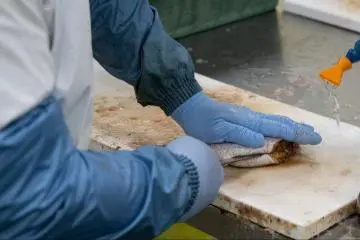
Over 90% of Yamatoku Hiratsuka Suisan’s seafood is sourced locally from Ishinomaki’s pristine waters, including premium mackerel, Pacific saury, and sardines. Their signature dishes are carefully prepared to eliminate bones and fishy odors—soaked overnight and simmered slowly until tender and flavorful—making them easy for children and the elderly to eat. Additionally, using advanced retort pouch technology, Yamatoku ensures long-term freshness without preservatives.
Through a blend of heritage, innovation, and a deep respect for the sea, Yamatoku Hiratsuka Suisan continues to bring the bounty of Ishinomaki to dining tables across Japan and beyond.
Mouthwatering Ishinomaki mackerel
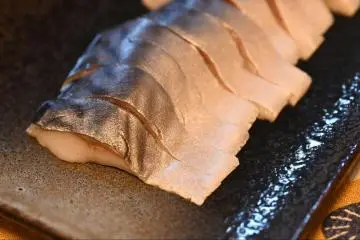
Ishinomaki mackerel is prized for its exceptional freshness, nurtured by the cold, nutrient-rich waters off Japan’s Sanriku coast. The region’s cool climate enhances the fish’s rich flavor and firm texture. Expert local preparation preserves its natural oils, yielding a perfectly balanced taste—savory, delicate, and distinctive. Locals recommend eating it as a warmed side dish to enjoy its flavor fully, but can also be tempted by mixing the mackerel into rice as saba takikomi gohan (mackerel seasoned rice) or with steaming dashi broth for a more filling dish.
The “Taste of Ishinomaki” project embodies Yamatoku Hiratsuka Suisan’s spirit of collaboration and innovation. Developed after the 2011 Great East Japan Earthquake, this effort united local academia, industry, and community groups. The resulting Iinogawa Mackerel Broth Ramen honors Ishinomaki’s traditional flavors while supporting regional recovery, sustainability, and the revitalization of local food culture.
From seafood marinated in ginger and miso to elevated ramen dishes, there’s a dish for every taste bud and traveler in the Yamatoku Hiratsuka Suisan shop.
Experience elevated oden dishes
Oden is a beloved Japanese comfort food—a simmered dish featuring ingredients like daikon radish, boiled eggs, fish cakes, and konjac stewed in a light soy-flavored broth. Its gentle, savory aroma and melt-in-your-mouth texture make it a winter favorite across Japan, especially in konbini (convenience stores), where steaming pots of oden warm hearts and hands during the cold season.
Yamatoku Hiratsuka Suisan elevates this traditional dish with its Kizuna Oden, created after the Great East Japan Earthquake to celebrate community bonds—the kanji for kizuna (絆) was even chosen as the Kanji of the Year in 2011, highlighting the enduring bonds between people during times of hardship.
Using locally sourced ingredients, it features signature items such as boiled eggs, tender daikon, hand-tied kelp, and authentic konjac, with grilled chikuwa fish cakes from the bountiful Sanriku coasts adding that local seafood flourish. The broth—made from bonito flakes and kelp without any chemical seasonings or preservatives—captures Ishinomaki’s essence.
Another local favorite is their Beef Tongue Meatball Oden, featuring Miyagi's famous beef tongue meatballs. Each bite offers warmth, depth, and the spirit of Ishinomaki’s enduring craftsmanship.
Nearby sightseeing spots in Ishonomaki, Miyagi
Now that you’ve fallen for Ishinomaki’s sensational seafood dishes—hook, line, and sinker—wander through the area’s intriguing sightseeing spots.
Ishinomori Manga Museum
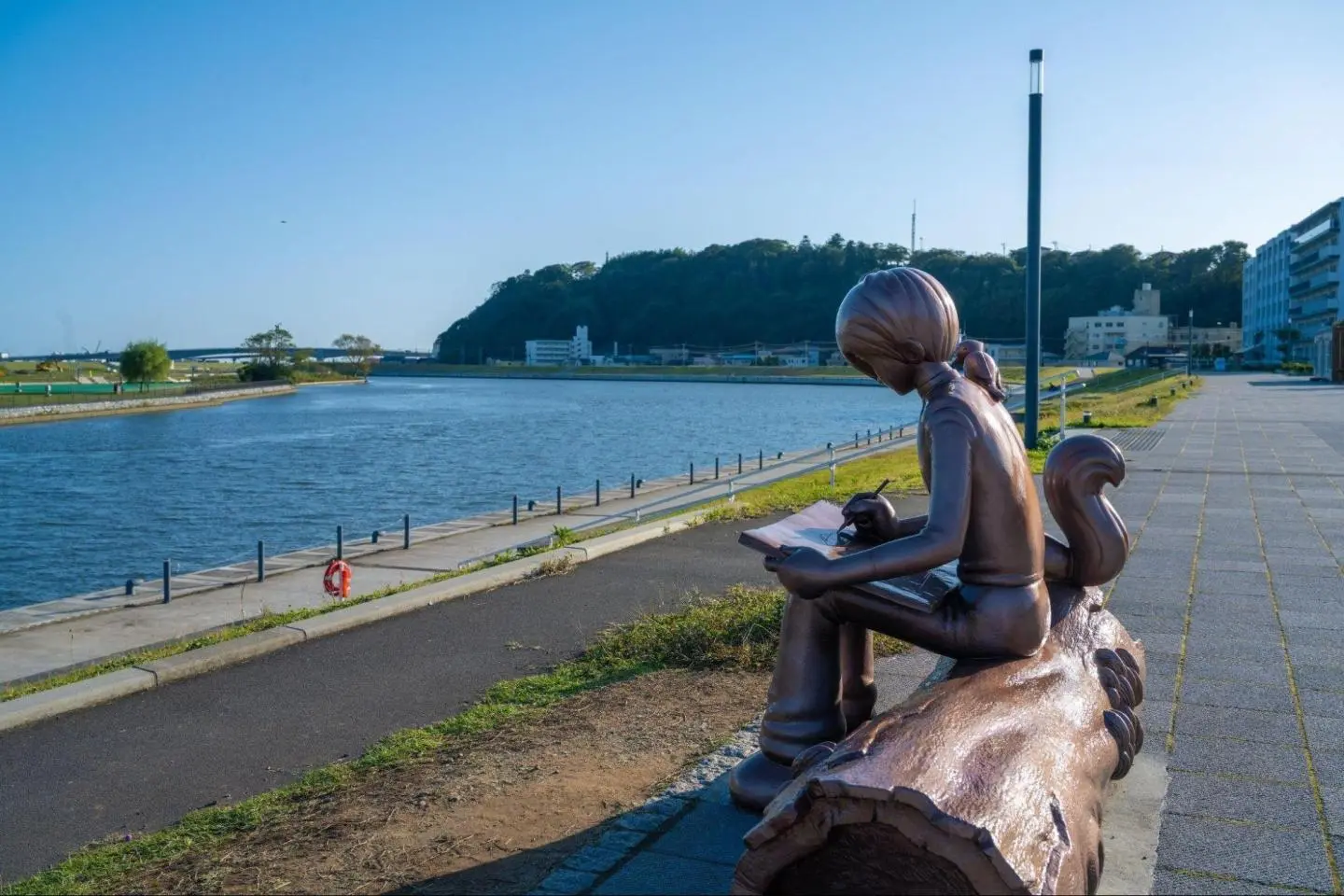
Lit by the setting sun and located on an island in the middle of the Kyukitakami River, the unique dome-like architecture of the Ishinomori Manga Museum makes an impression before you’ve even stepped inside. Opened in 2001, the museum exists to commemorate the works of manga artist and author Shotaro Ishinomori, known as the “King of Manga” and holder of the Guinness World Record for “most comics published by one author,” totaling over 128,000 pages, 770 titles, and 500 volumes.
Some of his most notable works include Cyborg 009, Sabu and Ichi's Detective Memoirs, and the Kamen Rider franchise, still extremely popular to this day with ongoing series, all of which have a space to shine in this unexpectedly comprehensive museum.
Thanks to the circular design of the Ishinomori Manga Museum, it is deceptively spacious, spiraling up from its eye-catching lobby and gift shop to the timeline of Shotaro Ishinomori’s life and career, including an intricate model based on the home where he created so many of his stories. Continue upwards to the museum’s cinema room, showing multiple short films throughout the day that can’t be watched anywhere else.
From there, follow the gentle curve around to discover charming and captivating exhibits from Ishinomori’s long career. Take in the changing World of Kamen Rider over the decades, ring the bell at the front lobby of the Hotel, or witness the moment that Android Kikaider was born, the hero of another popular manga of the same name.
Whether you’re a long-time fan of these characters or seeing them come to life before your eyes for the very first time, the Ishinomori Manga Museum is sure to capture your attention and imagination.
At the museum’s spiral summit is a place to inspire and nourish future generations of manga artists and lovers. To the left, find more of your favorite manga artists on a wall of art, made to commemorate the opening of the museum, learn how drawings and anime are animated or edited, or read something in the library—containing over 6,000 books.
To the right, take a break from your budding manga skills in the BLUE ZONE cafe, named after one of Ishinomori's short science-fiction stories. Look out over Mt. Hiyoriyama and the waters of the Kyukitakami River while enjoying themed dishes and drinks from inside the futuristic cafe, meant to resemble the cockpit of a spaceship.
The Ishinomori Manga Museum is extremely accessible, even on foot. From Ishinomaki Station, it’s only a 12-minute walk until you’re surrounded by the bright colors and interactive exhibits of Shotaro Ishinomori’s legacy. And then, only a six-minute walk to our next spot for lunch…
Ishinomaki Genki Ichiba
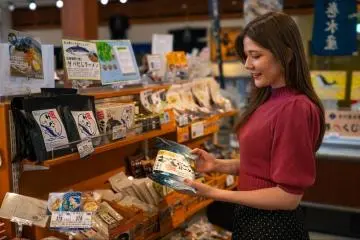
Ishinomaki Genki Ichiba is a market that exists to support the Sanriku region, especially those areas still recovering from the 2011 Great East Japan Earthquake. This picturesque market offers a wide selection of seasonal fish, local produce, agricultural goods, and regional specialties. It’s a great spot to pick up unique souvenirs for friends, family, or yourself, including the aforementioned seafood specialties of Yamatoku Hiratsuka Suisan.
If you simply can’t wait, or want to sample a few local dishes while soaking up riverside views, head to the food court upstairs.
Here, you can sit by the river and embrace the local flavors and catches of Ishinomaki, from the mackerel broth ramen topped with Yamatoku Hiratsuka Suisan mackerel fillets to the Ishinomaki Genki Meal, pictured above, which transforms with the seasons. Whatever the season’s harvests and fishing trips bring, that’s what you’ll discover in front of you, thoughtfully presented with intention and expertise to allow you a taste of regional seafood, fresh vegetables, and fluffy rice.
Whether you sit in the warm woods and airy dining spaces of the canteen inside, or take to the outdoor terrace to immerse yourself in Ishinomaki’s gentle breeze and green, flat plains, each mouthful will remind you why taking Japan’s lesser-known path is so worth it.
Getting to Ishinomaki Genki Ichiba requires only a 15-minute walk from Ishinomaki Station. Try to arrive just before sunset and watch as the river and Ishinomori Manga Museum opposite take on a nostalgic, golden glow.
MIYAGI 3.11 TSUNAMI DISASTER Memorial Museum
Ishinomaki is also the location of the MIYAGI 3.11 TSUNAMI DISASTER Memorial Museum, sharing the effects and aftermath of the 2011 Great East Japan Earthquake in Miyagi Prefecture, in which 19,782 lives were lost in the initial 9.0-magnitude quake and following tsunami. More than 50% of those lost in this fateful event were within Miyagi Prefecture, with Ishinomaki in particular being heavily affected.
At ISHINOMAKI MINAMIHAMA TSUNAMI MEMORIAL PARK, where the museum is located, Ishinomaki’s fighting spirit shines amidst the chaos in the slogan of this heartbreaking era: “Keep going, Ishinomaki!” (“がんばろう石巻!”)
The MIYAGI 3.11 TSUNAMI DISASTER Memorial Museum itself, though sleek and modern in design, tells the tale with its very architecture. The museum is built to a height of approximately 6.9 meters, reflecting the height of the tsunami’s wave as it reached the unsuspecting port city of Ishinomaki.
The museum, though relatively small, is extremely impactful and informational—sharing stories and cautionary tales from the very day of the disaster, or those just like it from Japanese or world history, in several languages, including English translations via leaflets and QR codes.
This allows you to absorb every moment of your visit, whether you’re understanding the true power of Mother Nature with earthquake and tsunami information, reading the testimonies of survivors, learning lessons for the future, or seeing it all through the eyes of those who were there when it happened, via the powerful documentary that’s screened throughout the day.
Regardless of language or medium, the museum delivers the events of that day in a way that is both understandable and poignant.
Though you may feel you already know a lot about the 2011 earthquake and disaster, an event displayed around the world, visiting the MIYAGI 3.11 TSUNAMI DISASTER Memorial Museum gives it an emotional weight that is only heightened by walking amongst the flat, grassy area surrounding the museum that would have once been a bustling suburban neighborhood.
It will take you roughly 35 minutes to get from Ishinomaki Station to MIYAGI 3.11 TSUNAMI DISASTER Memorial Museum. If possible, however, we’d recommend renting a car and using the museum’s free parking.
Make memories in Miyagi Prefecture
And just like that, you’ve had a chance to slow down amidst nature and fresh, high-quality seafood, courtesy of Miyagi Prefecture’s memorable port city of Ishinomaki. Encapsulating the thoughtful, enduring qualities of this region, Yamatoku Hiratsuka Suisan’s warming dishes—including the flavorful, no-waste mackerel ramen and elevated oden—embrace and create traditions for future generations.
For more excuses to lose yourself in the sights, smells, and flavors of these rich waters and seafood dishes, keep exploring Tohoku.
/141.3028682,38.434332,9/397x132?access_token=pk.eyJ1IjoiamFwYW50cmF2ZWxtYXBzIiwiYSI6ImNqbXBtOXYxbDB5Z3ozbHFrazJuYWMwOGYifQ.v15fy_mcFWtgopmz8PhwqA)